Introduction
I am Hong Chuanliang, the head of Hubei Youguo Agricultural Technology Co., Ltd. Since 2007, I have been promoting and selling liquid fertilizers containing soluble silica (with silica, molybdenum, boron, pH 1-2) in several provinces of China, including Hubei, Anhui, Zhejiang, Yunnan, Shandong, Jiangxi, and Shaanxi. Our annual sales amount to 20,000 liters. After 10 years of field trials covering more than 100,000 acres, we have achieved many unique results with rice, vegetables, fruits, and aquatic plants. We have been deeply impressed by the effectiveness of soluble silica liquid fertilizers and have become more and more interested in them. As the income of Chinese people increases, the demand for high-quality agricultural products has also risen significantly, creating a growing market demand. Soluble silica liquid fertilizers are essential for producing high-quality agricultural products, and the market demand for them is substantial. I am very interested in your company's soluble silica series products and would like to become the exclusive distributor for the Chinese market.
Rice
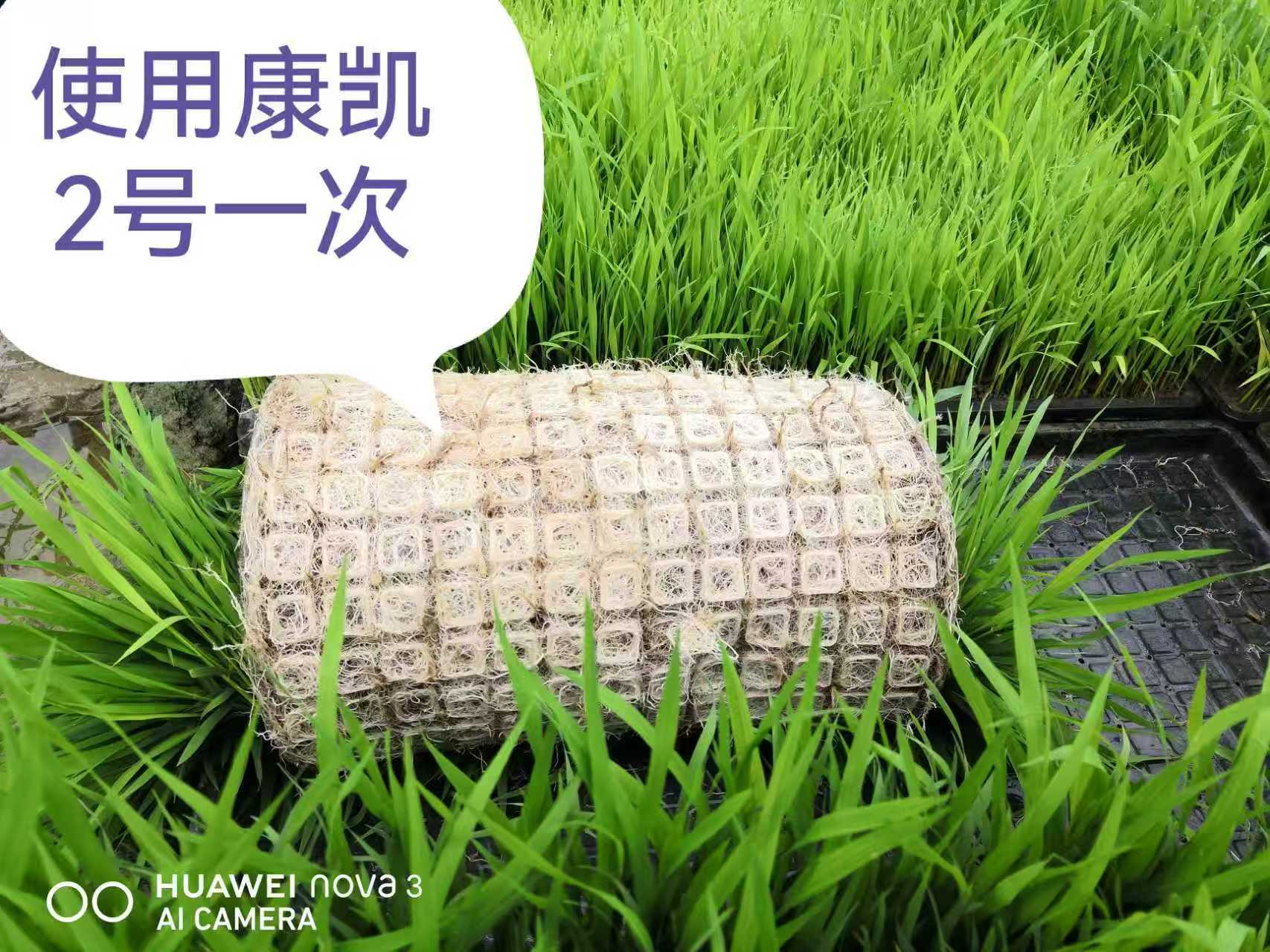
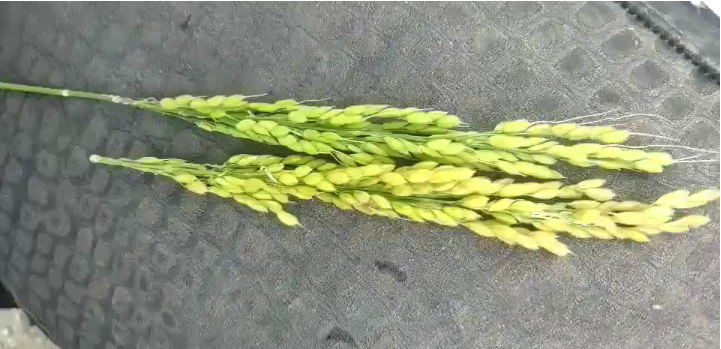
During the tillering and booting stages of rice, apply 10 mL per acre of the liquid silica fertilizer combined with 70 mL of liquid phosphorus and potassium fertilizer, diluted with 30 kg of water, and spray it together with pesticides. The rice shows upright leaves, an increase in effective tillers, improved stem resistance to lodging, enhanced heat tolerance, more uniform and faster heading, and a yield increase of 10-15% per acre. Additionally, the grain quality improves, and the cadmium content in the rice decreases by 30-40%.
Vegetables
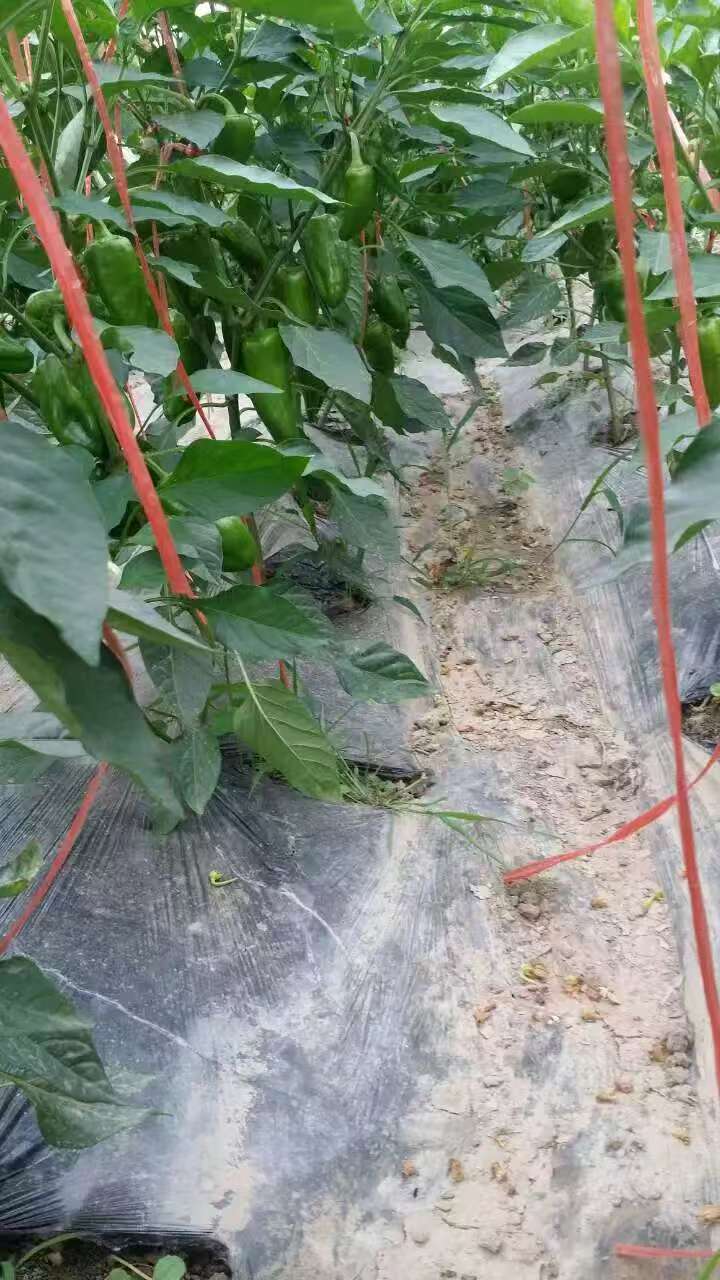
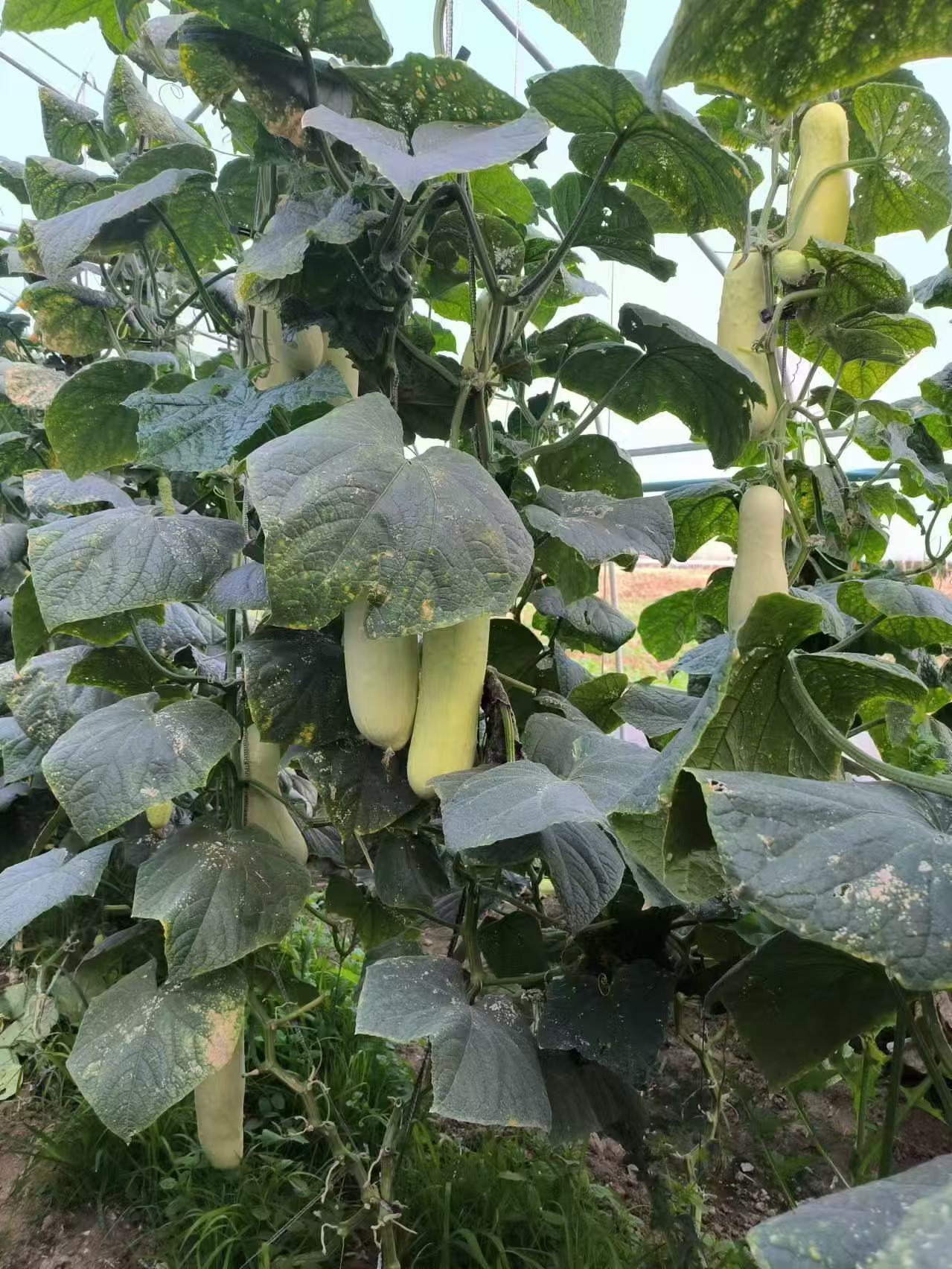
Since 2013, experiments with vegetables (tomatoes, peppers, cucumbers, and cowpeas) have been conducted. For vegetable seedlings, 5-7 milliliters of soluble silica-based liquid fertilizer, mixed with seedbed disinfectant in 30 pounds of water, is sprayed on the seedbed before seedling emergence. This treatment effectively prevents diseases, low and high temperatures, and helps cultivate strong seedlings. It is applied again before flowering and after flower shedding to protect flowers and fruits, reduce fruit size variations, and prevent early plant aging. The result is increased yield and improved quality.
Grape
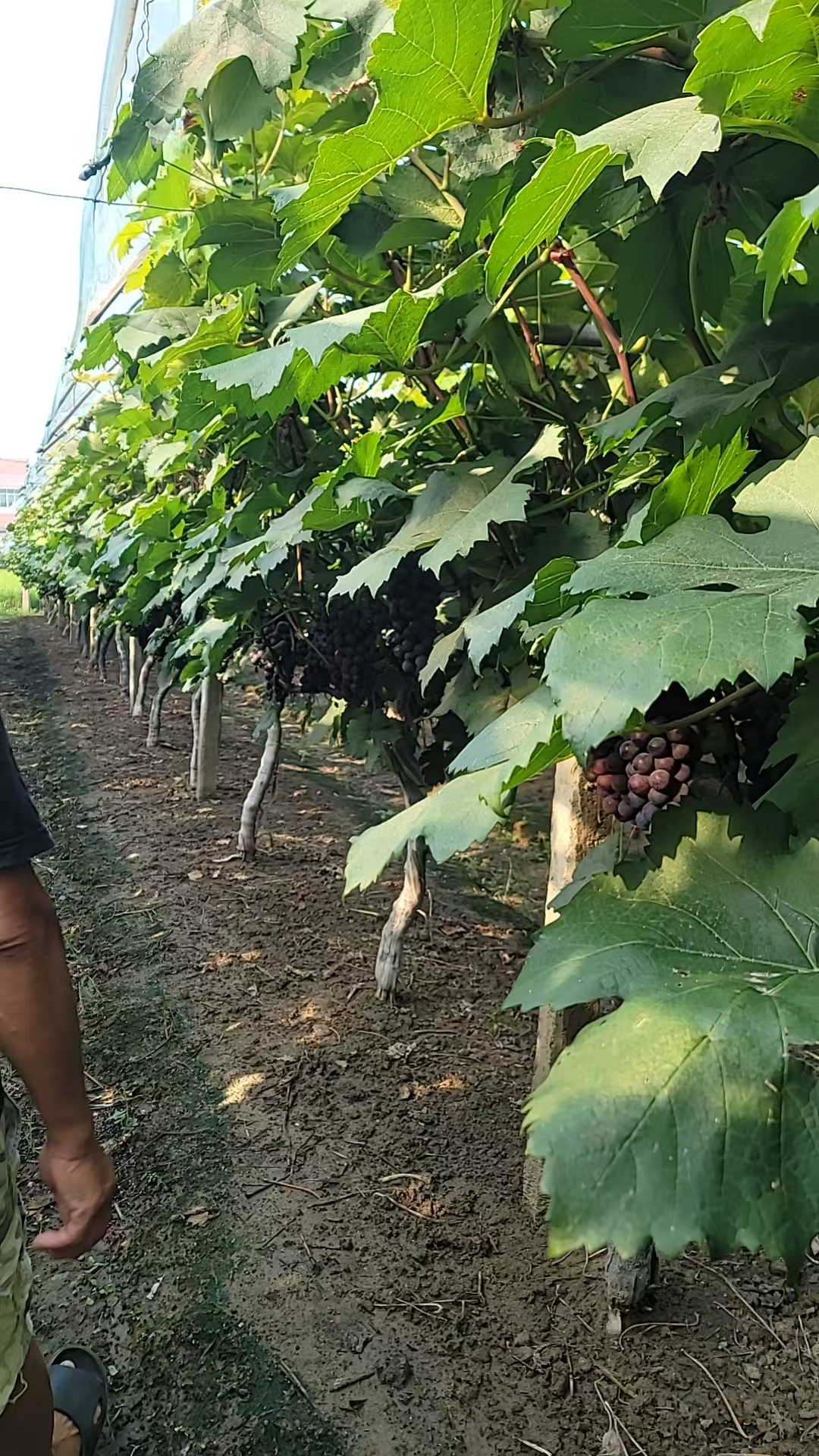
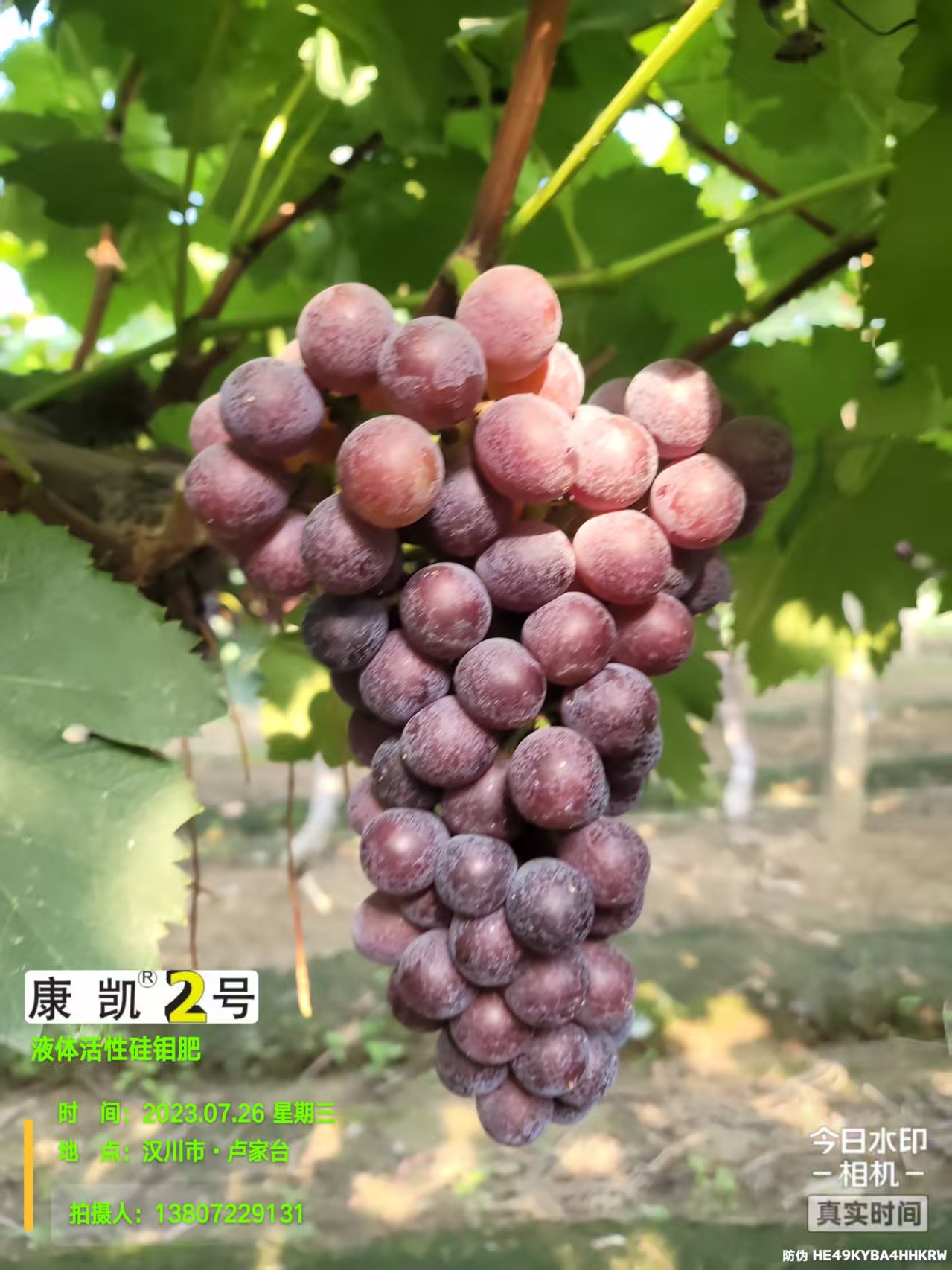
Since 2015, soluble silica-based liquid fertilizer has been used on grapes. It was applied together with water-soluble fertilizer through drip irrigation three times throughout the growing season: before bud break, before flowering, and during the fruit enlargement stage. Additionally, 5-7 foliar sprays were applied. After use, the quality of grape leaves improved, with the leaves becoming larger, thicker, softer, and more upright. When used with grape treatment agents, the effect on flower and fruit retention was further enhanced, and the occurrence of "blind" fruits significantly decreased. The fruit surface became shiny, and the young fruits enlarged more rapidly, with individual fruit weight increasing by over 10%. The grape color transition was more uniform, and the grapes matured 7-10 days earlier.
Citrus
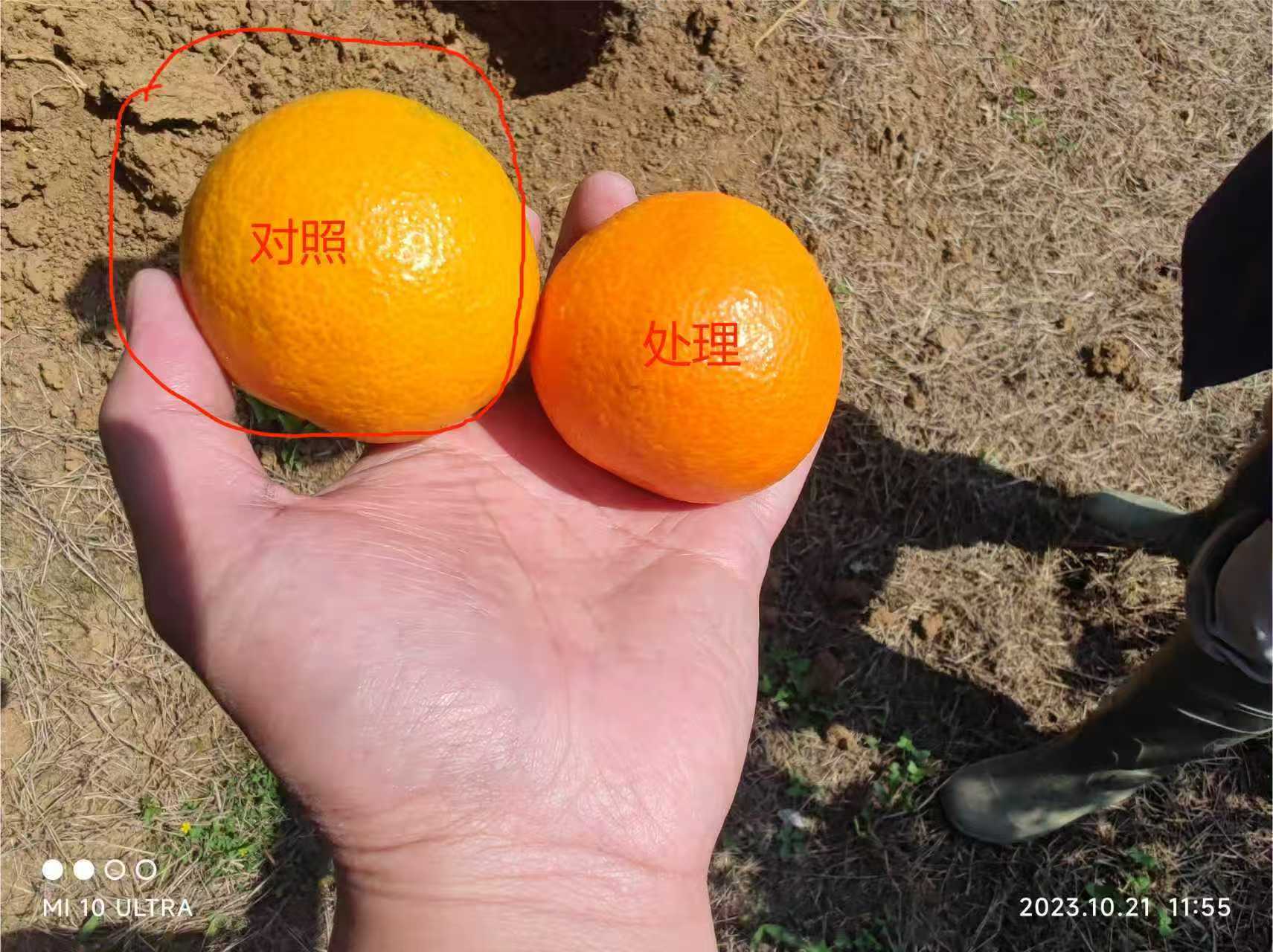
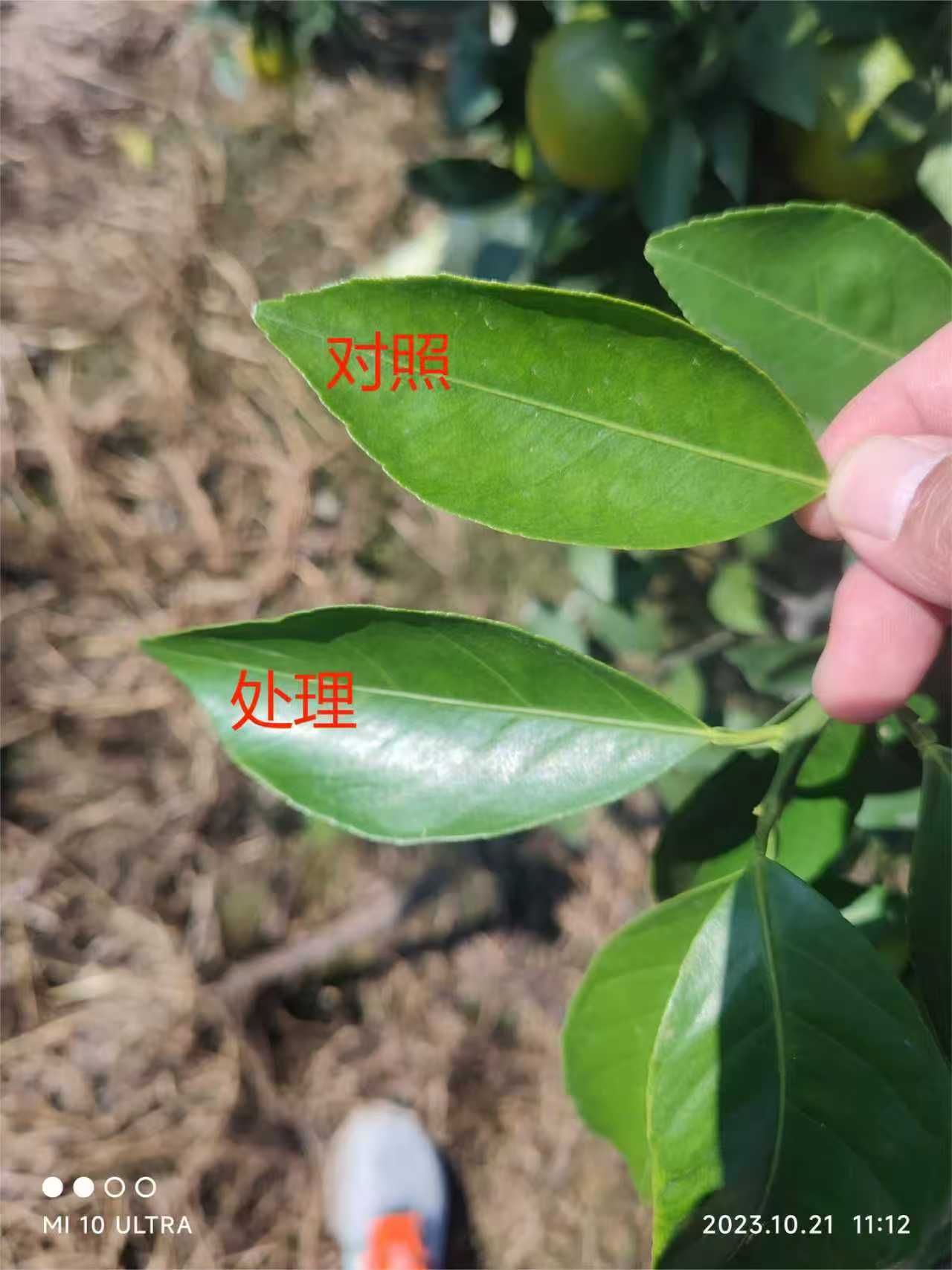
The soluble silica-based liquid fertilizer was used on citrus fruits 4-6 times. This treatment increases the sugar content in the fruits, reduces pulp and increases juice yield, enhances flavor, and improves fruit weight by over 10%. It also significantly boosts the citrus's resistance to low temperatures, reducing the need for frost protection efforts by farmers.

Tea Tree
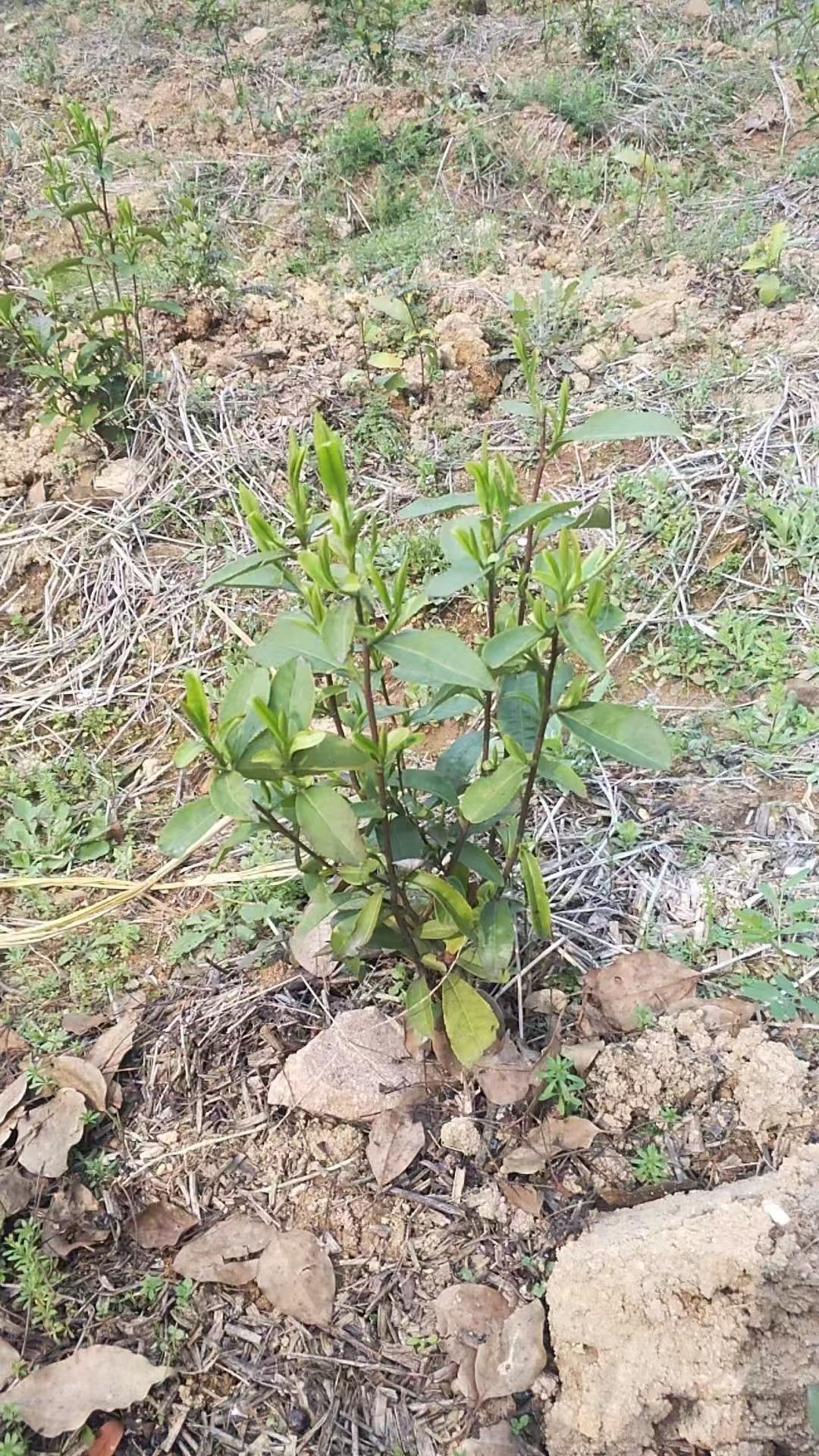
Since 2018, tea leaf experiments have been conducted. Foliar sprays are applied 1-2 times 20 days before bud break, which can advance bud emergence by 2-3 days. The buds become glossy, emerge uniformly, and help prevent early spring frost damage.
Lotus
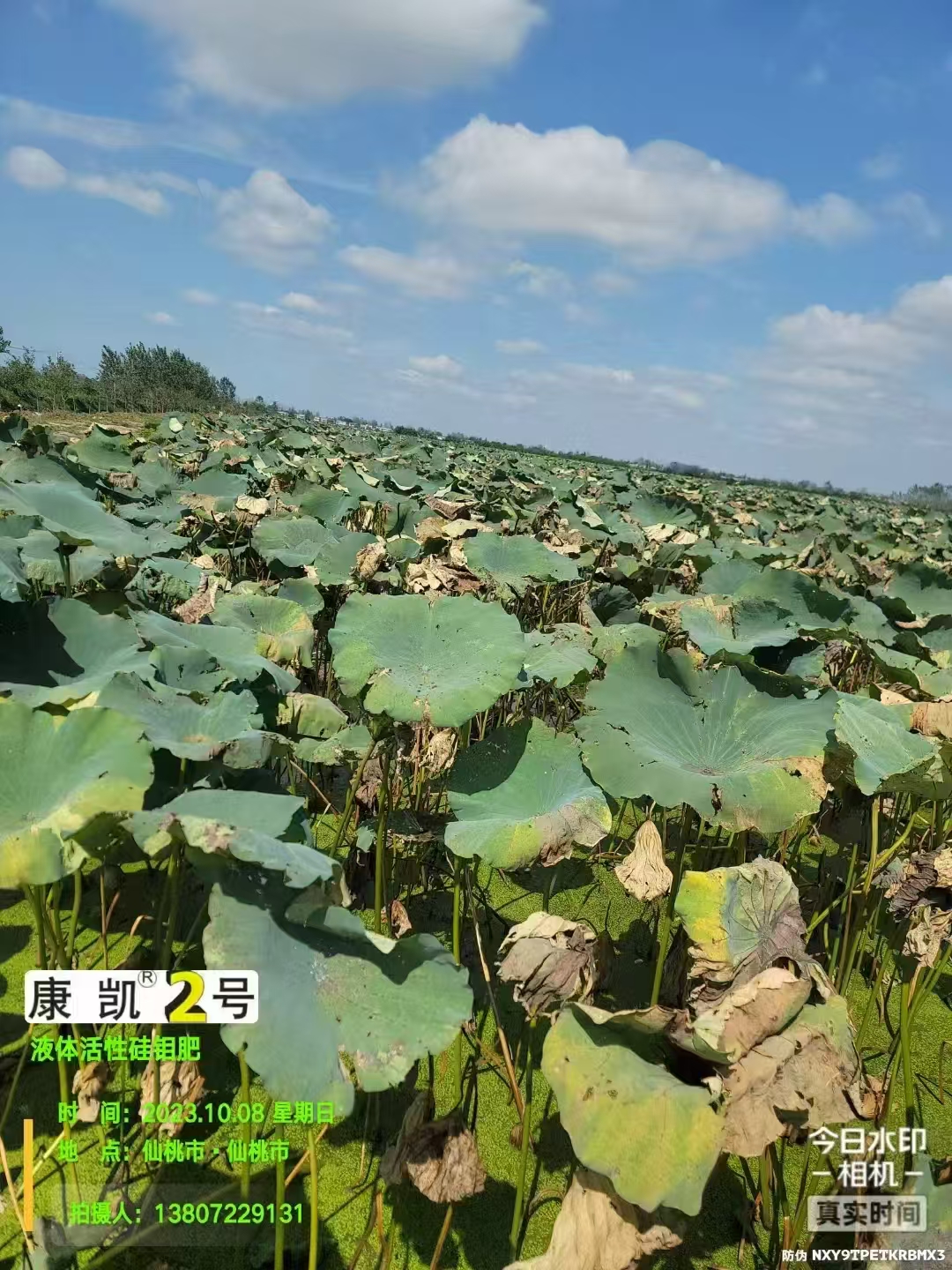
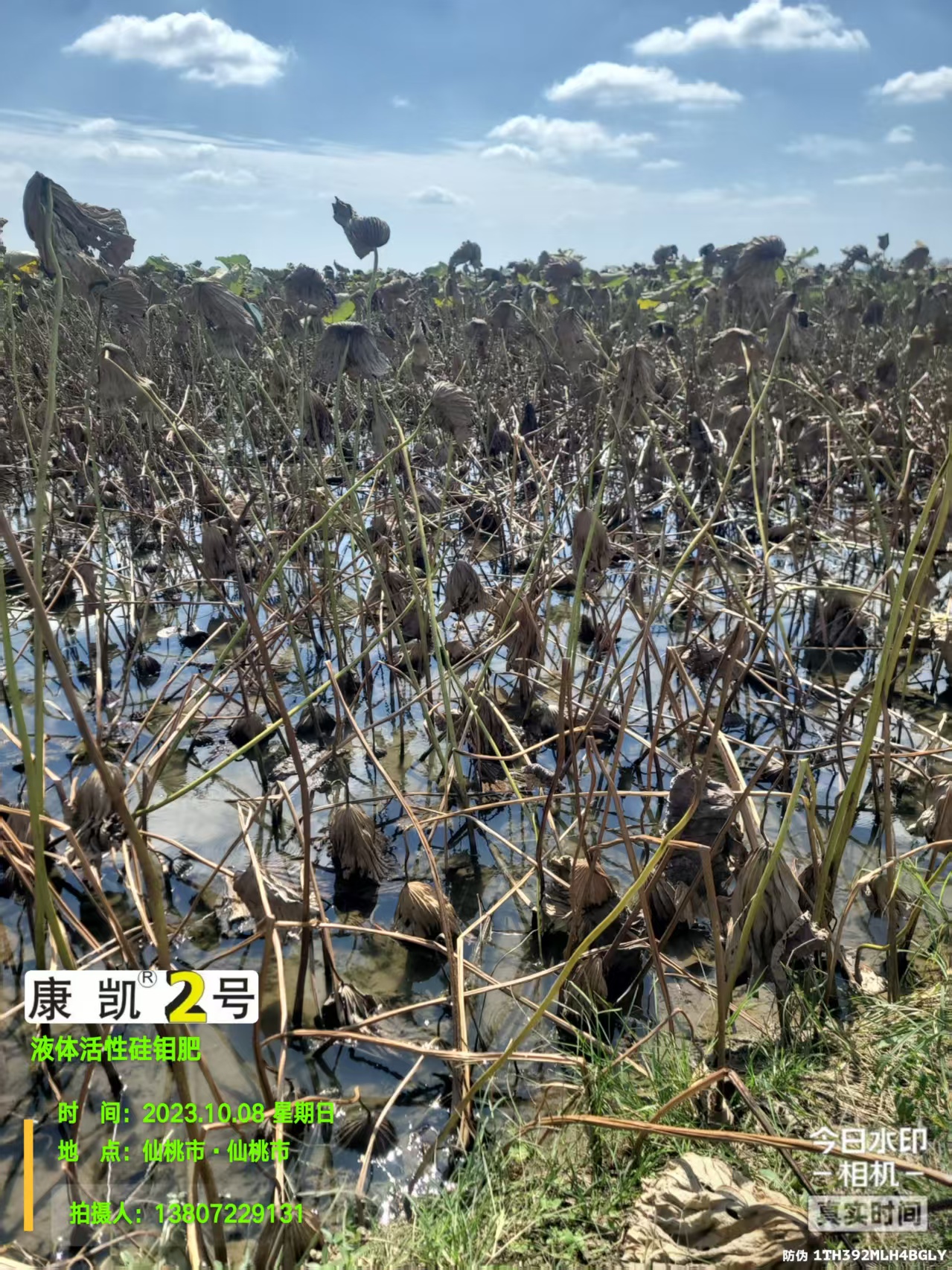
In the growth process of lotus roots, foliar sprays are applied once before and after canopy closure, at a rate of 60-120 milliliters per acre. The results show significant effects in delaying premature aging, with a more than 10% increase in the weight of individual lotus roots, improved quality, and better taste.